Design studio
Knitwear and Woven Fabric Design
Design work that starts on the cloth itself, not the finished garment: knit and woven structures, construction, pattern and finish, carried through to a styled and presented collection.
Design starts on the cloth, not the garment
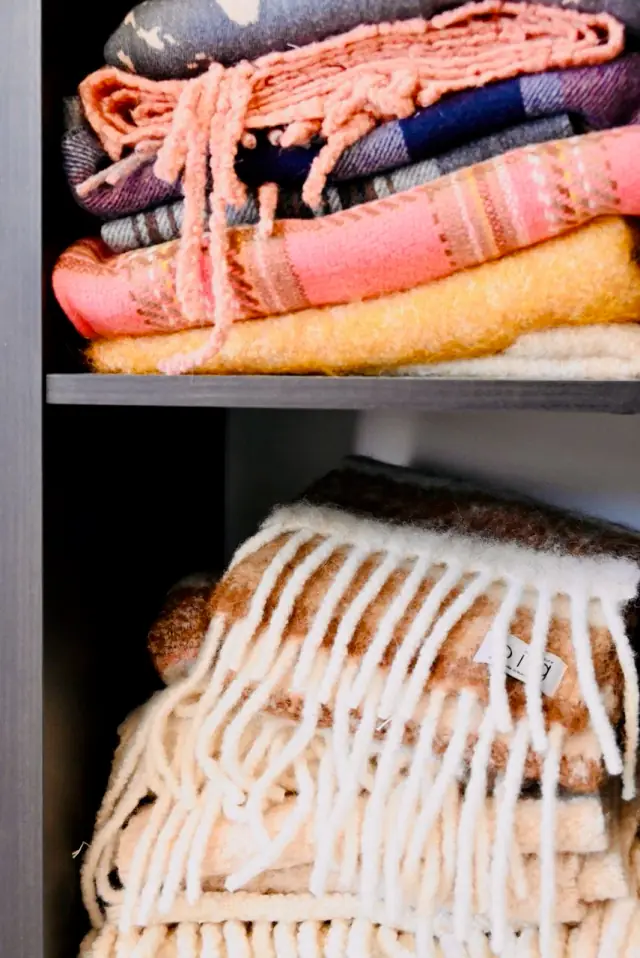
A design team usually arrives with a silhouette already decided and a question about what the fabric underneath it should do. That is where this work begins. Knitwear design is a matter of gauge, stitch structure and yarn, decisions that set drape, stretch recovery and hand before a single seam is cut. Woven design works the other side of the same problem: warp and weft construction, weave pattern and finish, the variables that decide whether a cloth reads as crisp or soft, opaque or fluid. Both draw on the same portfolio of Italian and European mills, from classic constructions to more experimental ones, so a design conversation can move between the two without changing who is in the room.
From swatch to a presentable collection
The output of this work is never a single approved swatch. It is a body of options developed in parallel, sampled at production width, and then styled and presented as a coherent collection a design team can react to as a whole rather than piece by piece. That presentation step matters as much as the construction work behind it. A brand's product development calendar runs on collections, not individual fabrics, so the design and styling has to arrive in a form their own team can walk straight into a line review with.
Renovazio, Representing Italian and European mills in the United States since 2005. Call (212) 764-2890.
Two disciplines, one showroom
Knit and woven are treated as separate crafts inside this studio because they are governed by different variables. A knit structure lives or dies on gauge and yarn choice; a woven structure lives or dies on warp density and weave pattern. Keeping the two disciplines distinct, rather than folding them into one generic “fabric development” process, is what lets a design brief move quickly from concept to a sample that actually behaves the way it was drawn.
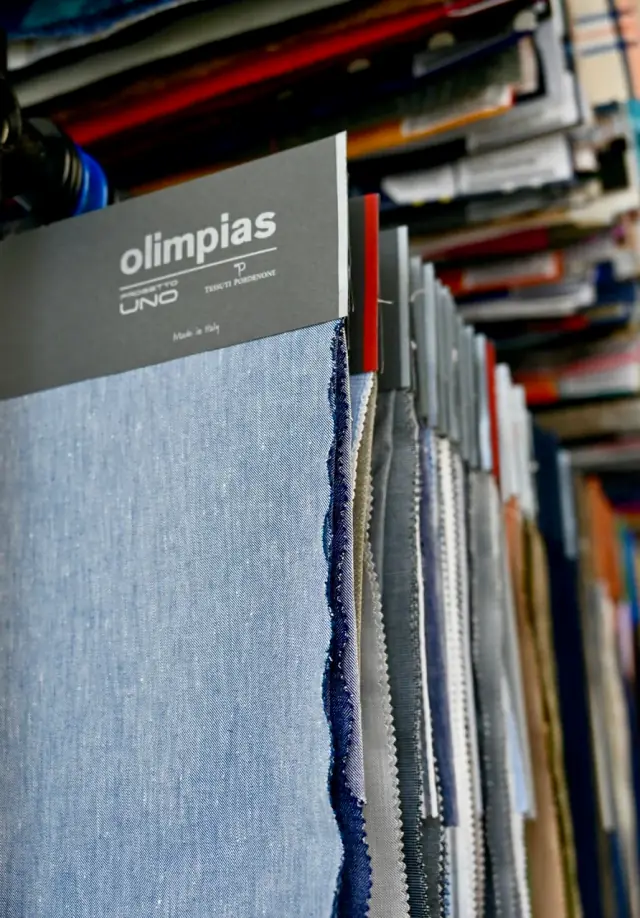
Finish is the step that gets skipped when a brand sources cloth directly and gets treated as central here. A raw greige fabric and a finished one can be the same construction and read as two entirely different materials once washing, brushing or a coating pass has been applied. Matching finish to end use, rather than defaulting to whatever a mill happens to have on hand, is part of the design work, not an afterthought to it.
See how the work is used
Design is the first station. What happens once a design is approved for production runs through the two services below.